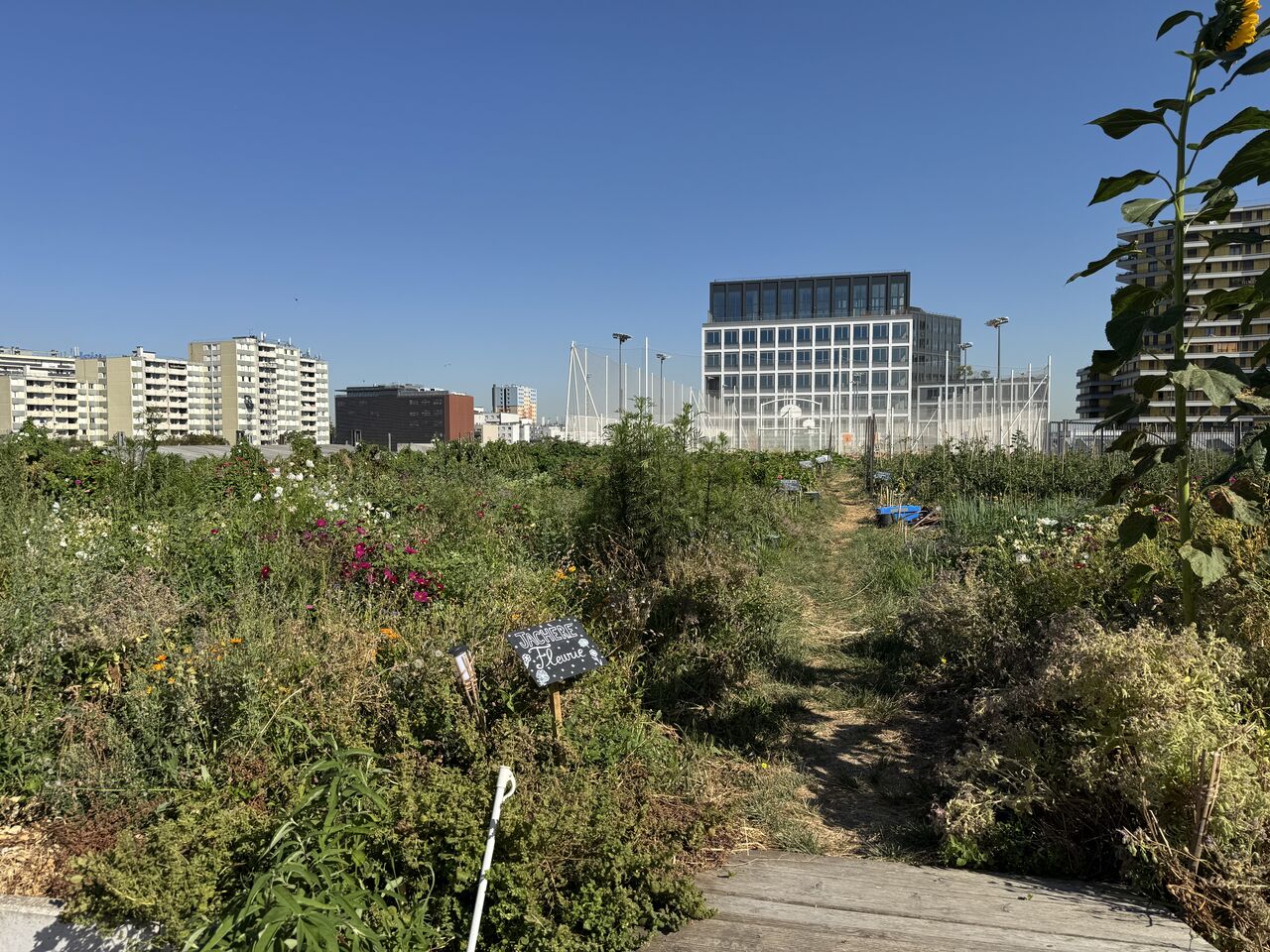
On-site assessment and optimization program for a commercial rooftop urban farm, combining agronomy, production standardization, OPEX reduction and B2B market alignment.
Crop Urbanis carried out an on-site assessment of an operating commercial rooftop urban farm in Paris. The farm already had a strong production base, but further growth required better production planning, more consistent product quality, lower unit costs and closer alignment between crop output and recurring B2B demand. The project therefore approached the farm as a complete system combining agronomy, operations, post-harvest and commercial performance.
Challenges & approach
Increase marketable yield and crop rotation speed without compromising product quality.
Improve consistency of leafy greens, herbs, microgreens and edible flowers.
Identify production bottlenecks from sowing through harvest and order preparation.
Reduce labour, input and operating costs per marketable unit.
Improve greenhouse microclimate, hygiene and integrated pest management.
Standardize crop, harvest, post-harvest and quality-control procedures.
Align production planning with recurring restaurant and B2B demand.
Develop commercially viable new products and revenue channels.
Our contribution
Conducted an on-site agronomic and operational assessment of the rooftop farm.
Reviewed crop performance, production cycles and product consistency across key crops.
Mapped production bottlenecks from sowing and cultivation through harvest and order preparation.
Assessed labour efficiency, production inputs, crop economics and opportunities to reduce OPEX.
Reviewed greenhouse microclimate, hygiene practices, crop-health risks and IPM strategy.
Defined priorities for crop protocols, SOPs, post-harvest handling and quality control.
Connected production planning with restaurant demand, B2B customer segments and recurring orders.
Developed a structured optimization roadmap covering agronomy, operations, new products and commercial growth.
Outcomes & proof
Metric
Result
Context
On-site farm assessment
Completed
Production workflows, crop performance, greenhouse conditions, IPM, post-harvest processes and commercial alignment were reviewed on site in Paris.
Optimization roadmap
Developed
A structured improvement plan was prepared covering crop management, production standardization, OPEX, microclimate, SOPs and B2B development.
Priority improvement areas
8 areas identified
Priorities were defined across yield, crop consistency, production bottlenecks, costs, microclimate, standardization, B2B planning and new revenue opportunities.
Project gallery
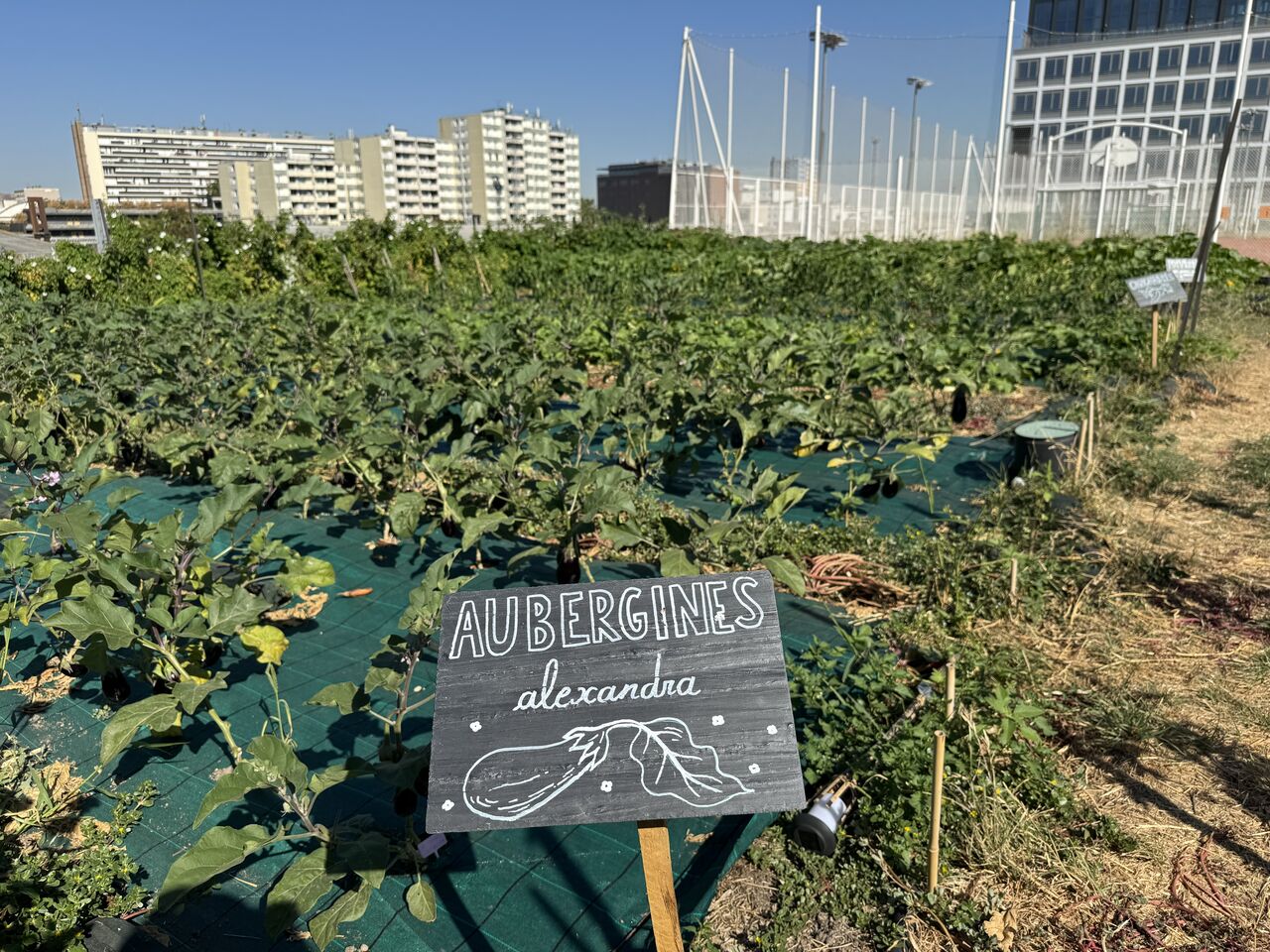
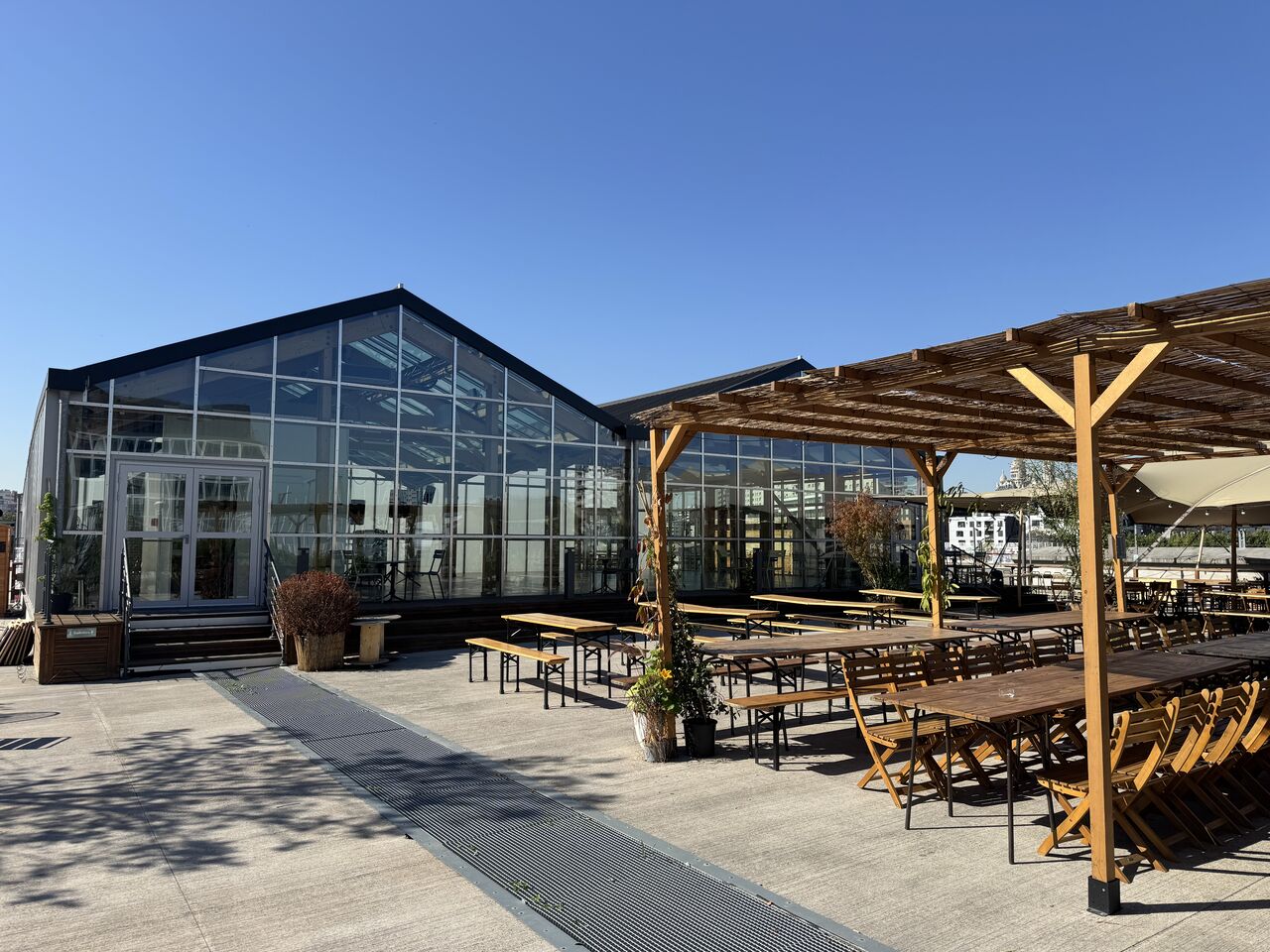
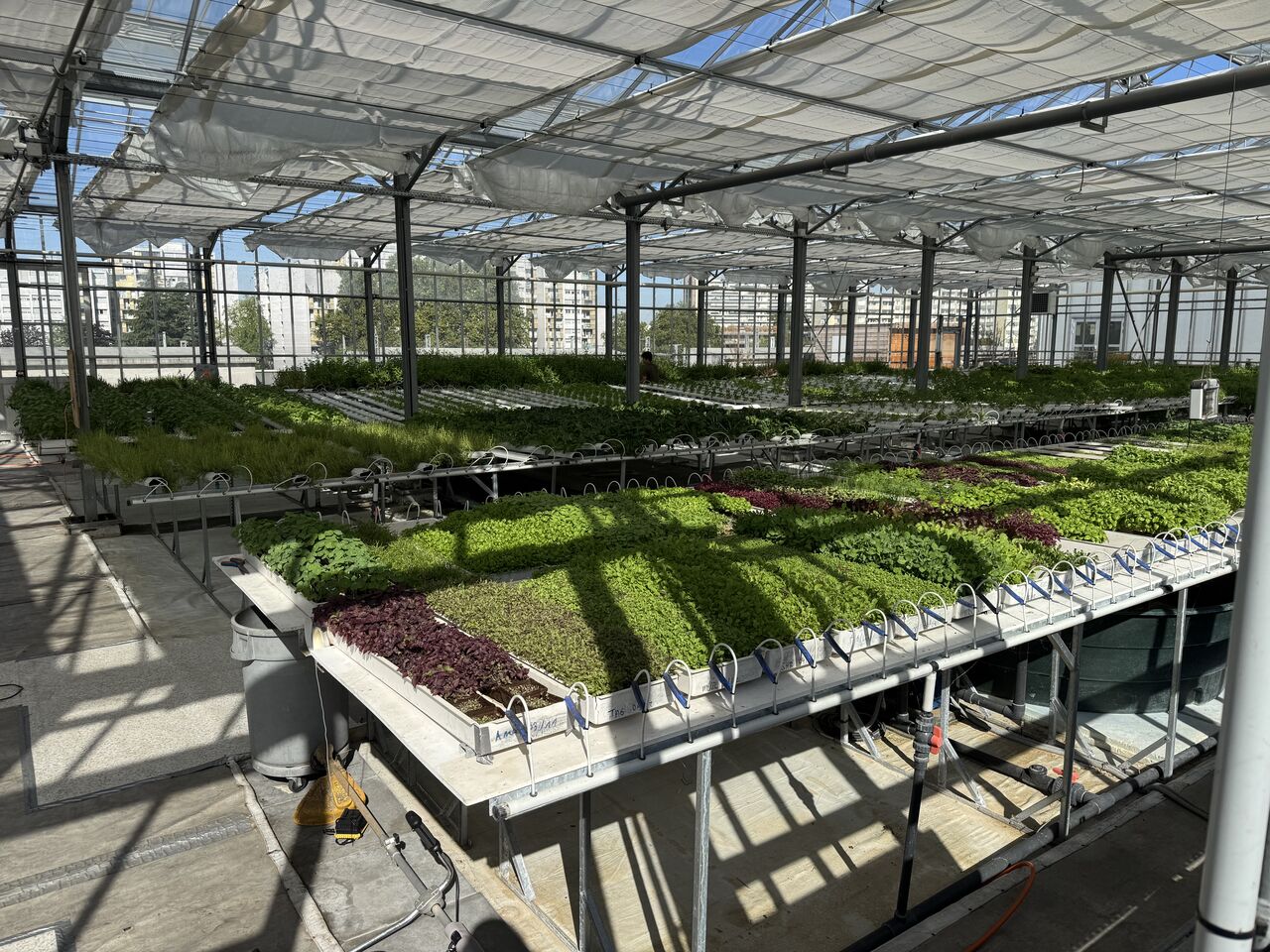
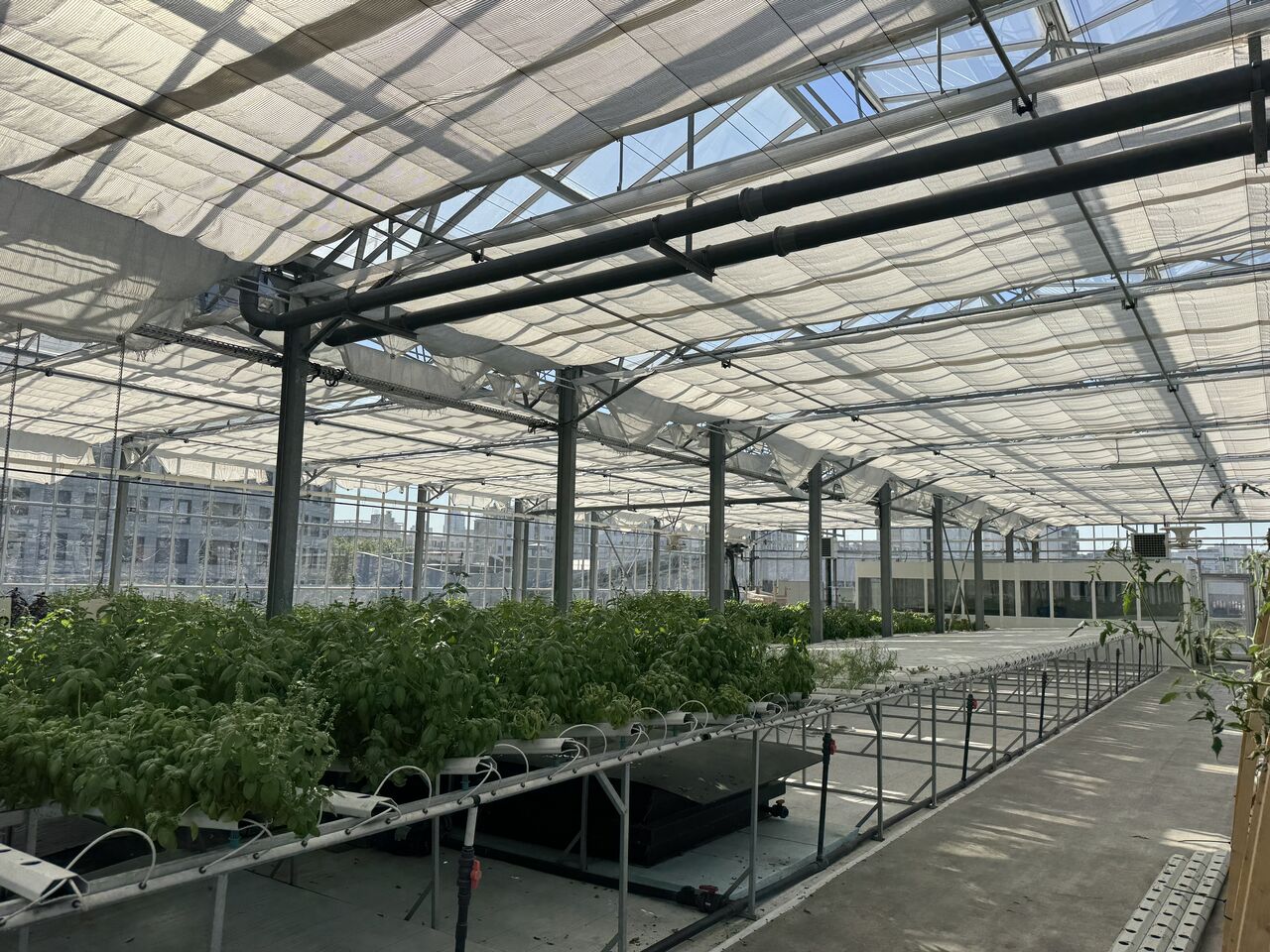
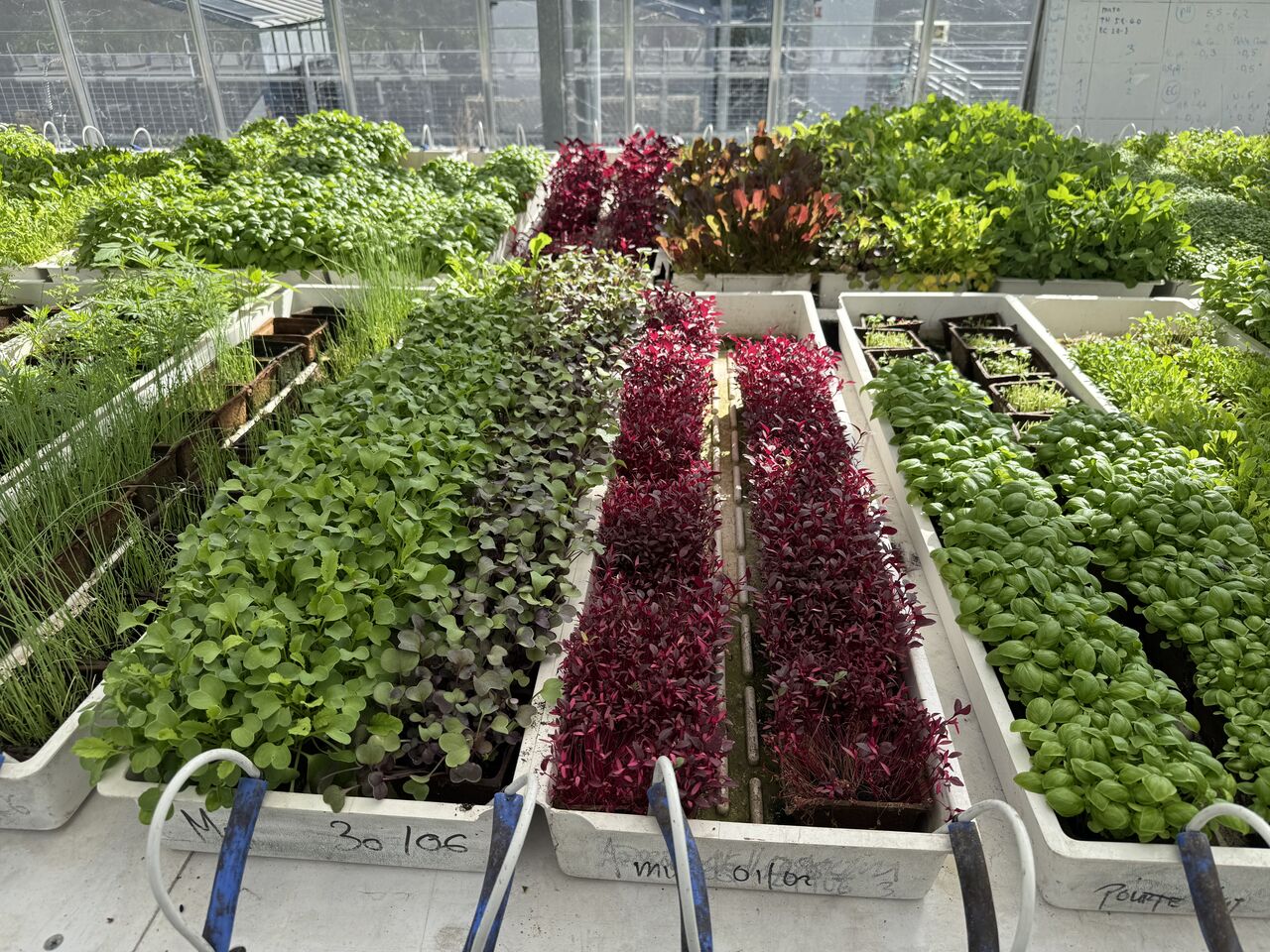
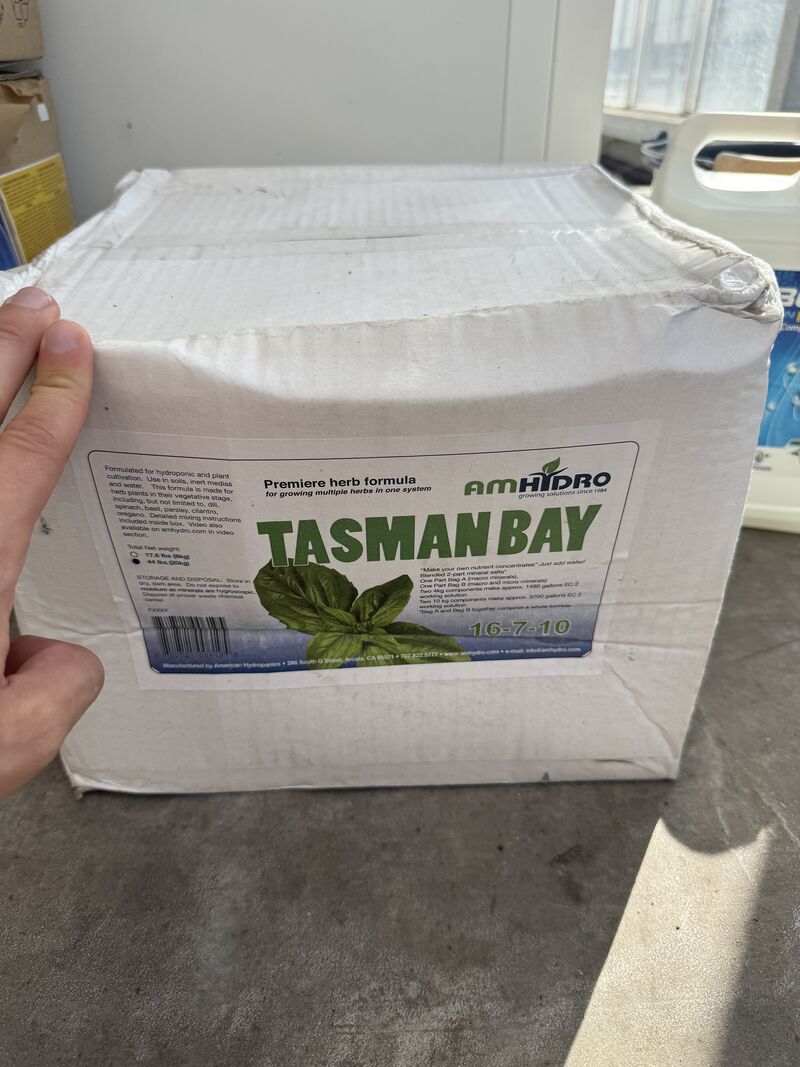
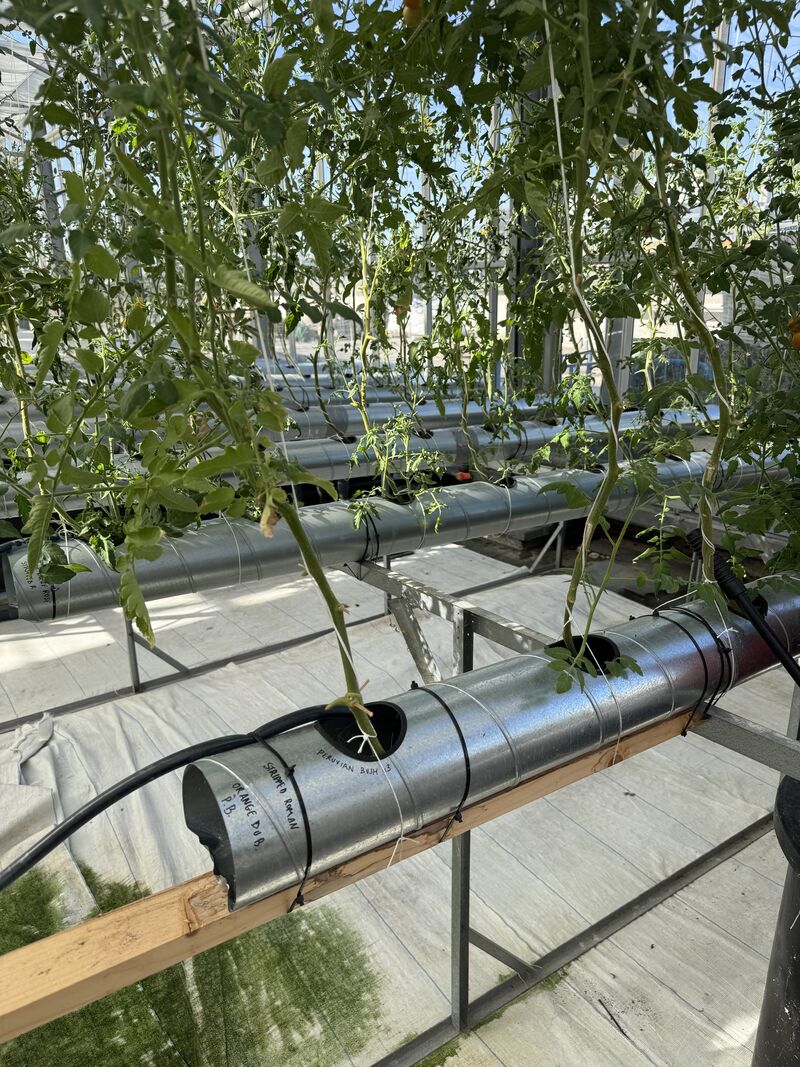
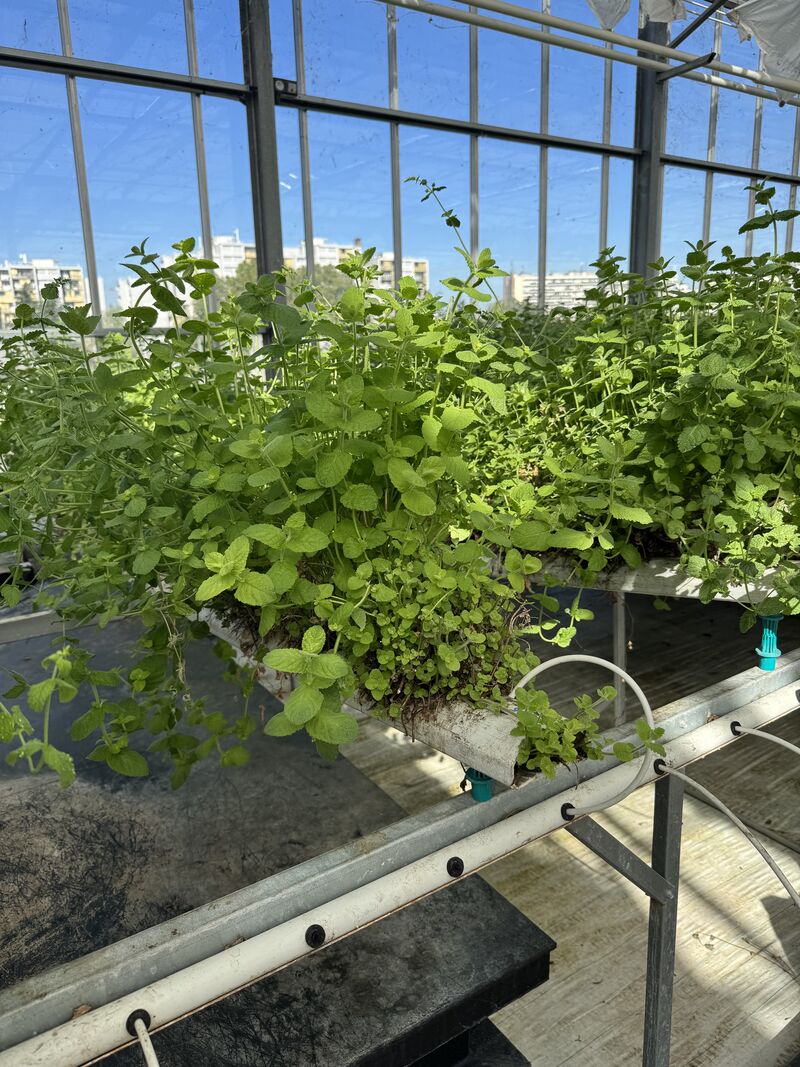
Eggplants grown under natural sunlight as part of the rooftop vegetable production systemHospitality and dining space integrated directly into the rooftop urban farming environmentMain greenhouse reviewed during the Crop Urbanis on-site production and agronomy assessmentProtective screening and shading systems used to manage solar radiation and greenhouse growing conditionsMicrogreens production reviewed for crop consistency, production efficiency and commercial qualityNutrient inputs reviewed as part of the fertigation and crop management assessmentTomato plants grown in an experimental NFT setup to evaluate alternative hydroponic production methodsLemon balm maintained in NFT hydroponics during an extended production cycleOpen-air rooftop growing area combining natural sunlight with commercial vegetable production
We use cookies to improve your experience.
Essential cookies keep the site running. Analytics cookies help us understand performance and load only if you accept them.
Analytics cookies are optional. Essential cookies always stay on. You can revisit your choice at any time from the footer or by reopening this banner.