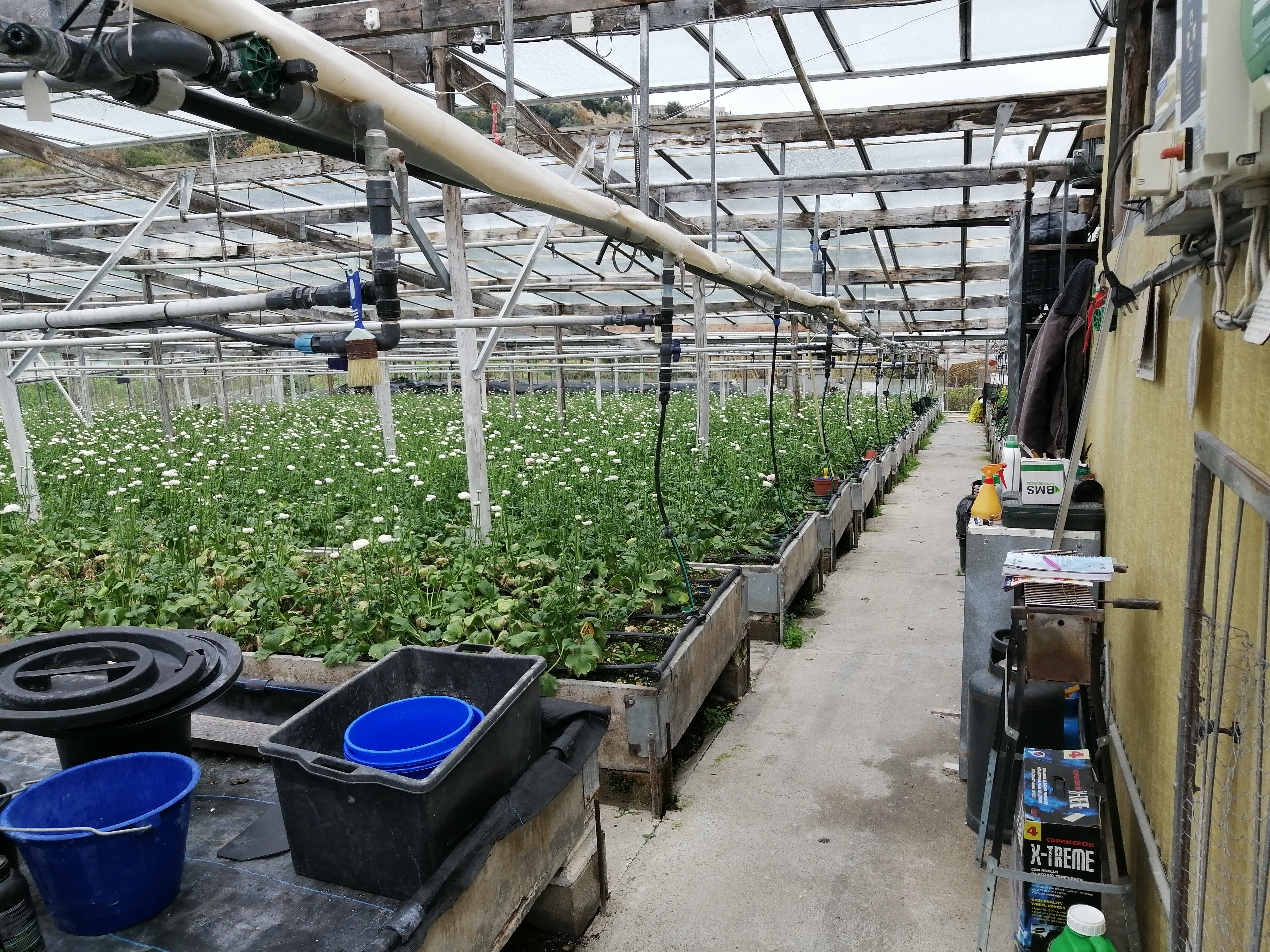
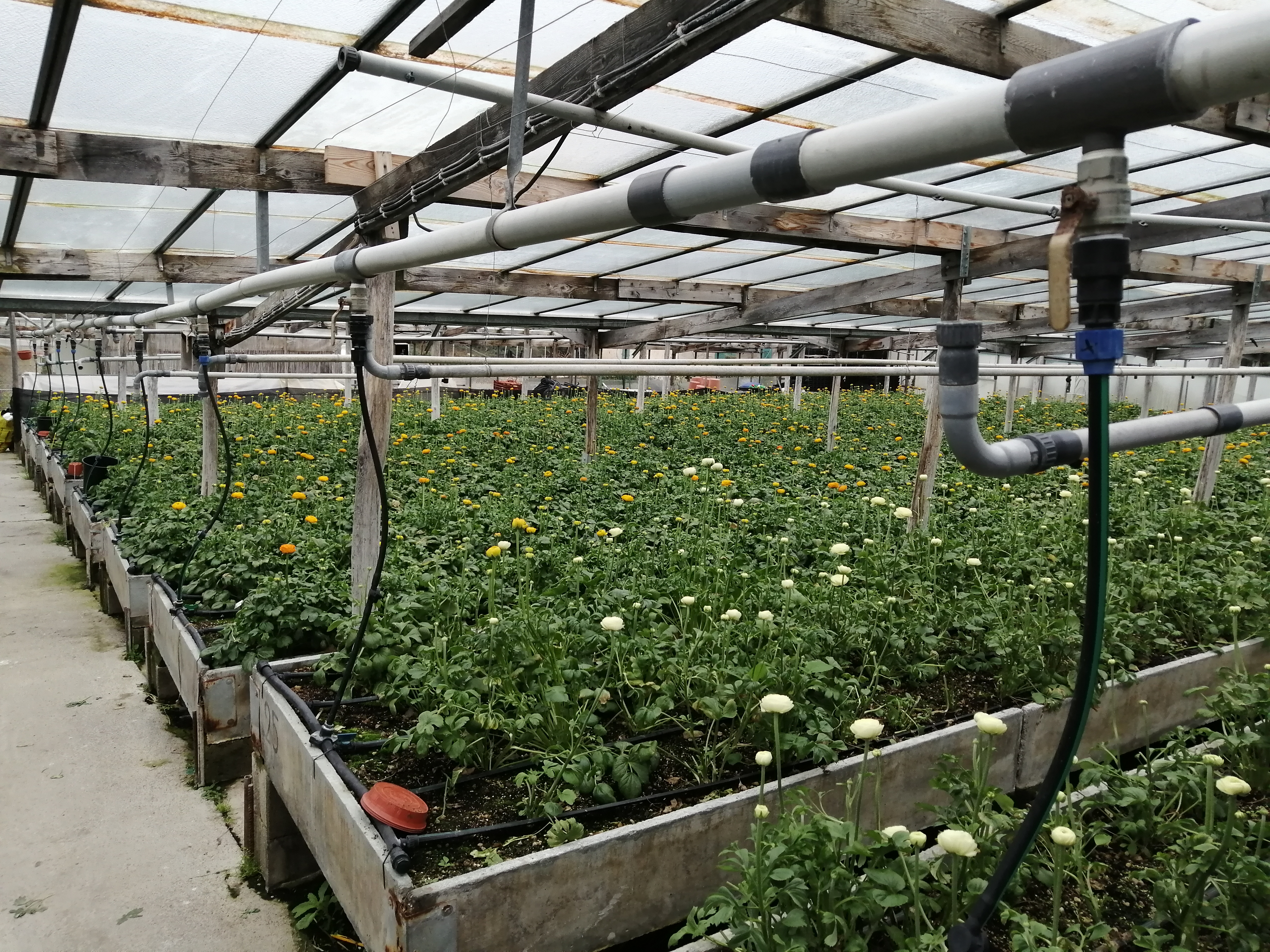
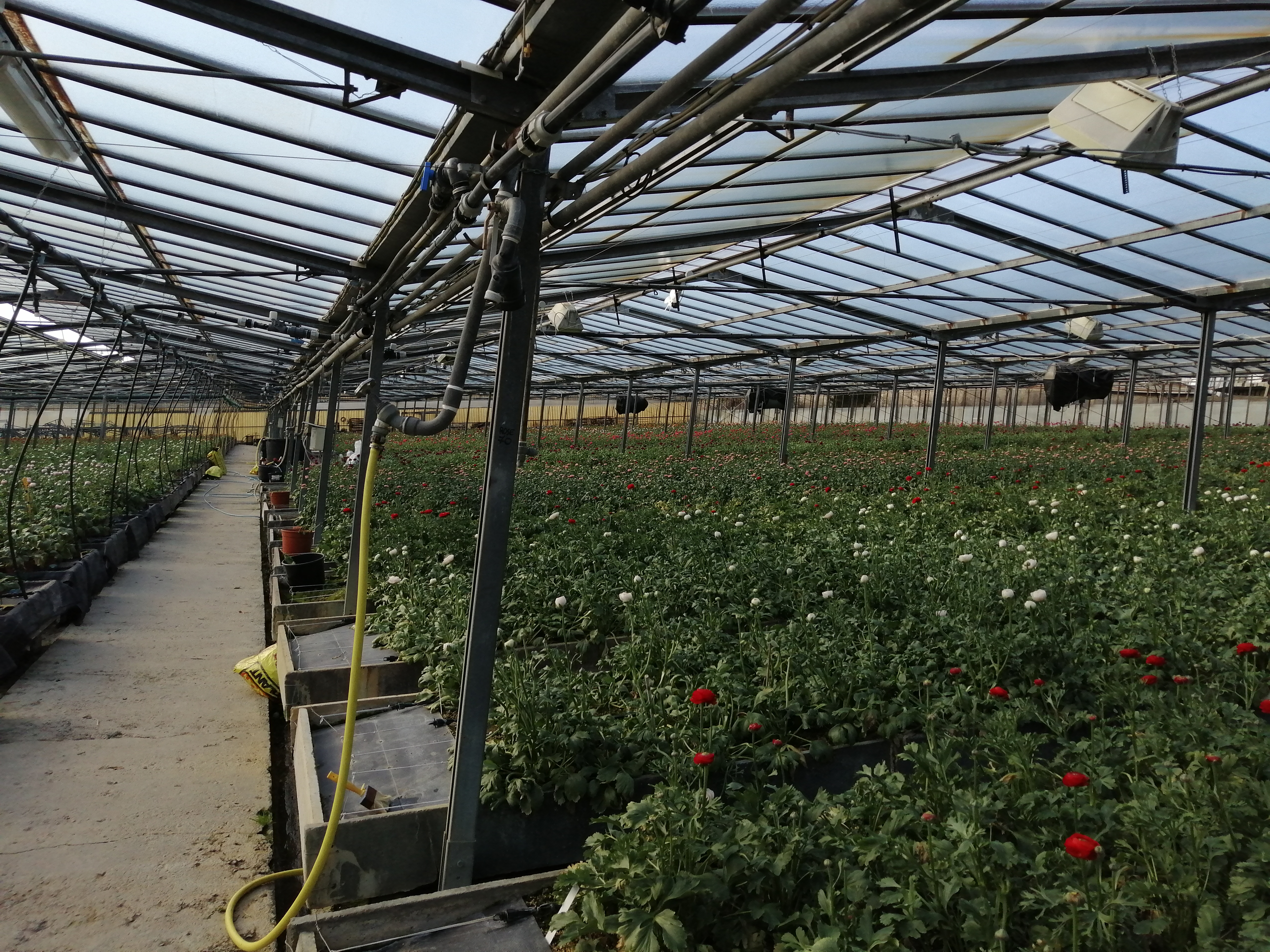
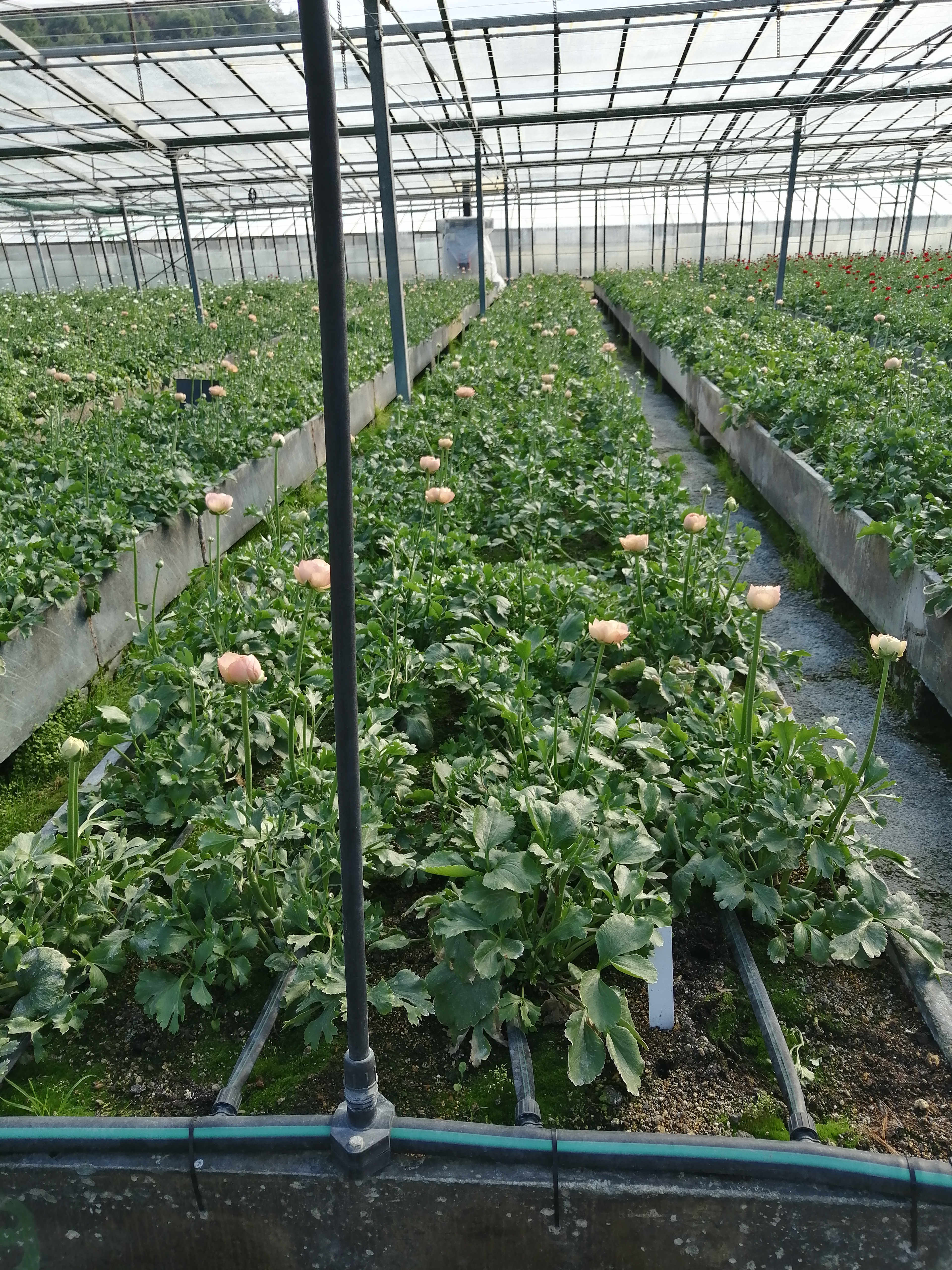
Biological protection for Mediterranean Ranunculus
Crop Urbanis designed IPM strategies, fertigation schedules and staff training to replace chemicals while maintaining premium blooms in Imperia greenhouses.
A floriculture grower in Imperia needed to cut chemical usage while preserving export-grade ranunculus quality. Crop Urbanis introduced biological protection protocols.
Challenges & approach
Persistent pests (thrips, aphids) impacting bloom quality and stem structure.
Need to transition staff from chemical routines to biological monitoring.
Maintain consistent fertigation and climate for premium blooms.
Our contribution
Introduced beneficial insects schedules aligned with crop phenology.
Trained staff on scouting, threshold-based releases and record keeping.
Optimised fertigation recipes and climate setpoints supporting plant resilience.
Outcomes & proof
Metric
Result
Context
IPM plan
Delivered
Agents + thresholds
Monitoring schedule
Delivered
Scouting frequency
Application SOP
Delivered
Release method
Inline FAQs
How quickly can we transition from chemicals to biologicals?
We plan phased introduction over 1–2 crop cycles with monitoring to ensure stability.
Do biological programmes cost more?
Input spend shifts to beneficials but overall costs dropped notable thanks to reduced chemicals and fewer crop losses.